Noodle specification
Share supplier data, total fatty matter when available, moisture and a sample because noodle behaviour affects refining and extrusion.
 ZG SOAPTECHGuangzhou Zhigong Intelligent
Turn purchased soap noodles into toilet, laundry or hotel bars through controlled dosing, refining, plodding, cutting, stamping and packaging—without presenting saponification as part of the same scope.
These inputs determine scope, interfaces and quotation accuracy.
Share supplier data, total fatty matter when available, moisture and a sample because noodle behaviour affects refining and extrusion.
List fragrance, colour, filler and active ingredients, including approximate dosing ranges and any temperature sensitivity.
Surface smoothness, logo definition, hardness, weight tolerance and expected shelf presentation guide the finishing sequence.
Confirm bare bars, flow wrap, stretch film, carton or another pack before line speed and discharge handling are matched.
Final capacity, footprint, utilities and price are confirmed after product review.
A practical route for simple bars when manual transfer, stamping or packing is still acceptable.
Add refining and mould-based forming when visible finish and repeatable branding matter.
Connect surface correction and individual wrapping around the required bar and film format.
The number of refining stages and the equipment interfaces are selected from the noodle, formula and finished appearance rather than from a fixed package name.
Confirm the incoming soap base and meter noodles, fragrance, colour and additives into the batch.
Distribute ingredients through the soap mass using a batch and mixing method matched to the formula.
Improve homogeneity and surface potential; the required passes depend on material and finished-bar expectations.
Compact the refined mass, reduce trapped air and extrude a billet through a product-specific die.
Cut to the required length and form the final shape and logo with configured tooling.
Correct edges or surfaces when required, inspect the bar and package it for sale.
Public machine pages provide media and verified model data; the connected line is quoted as a project.
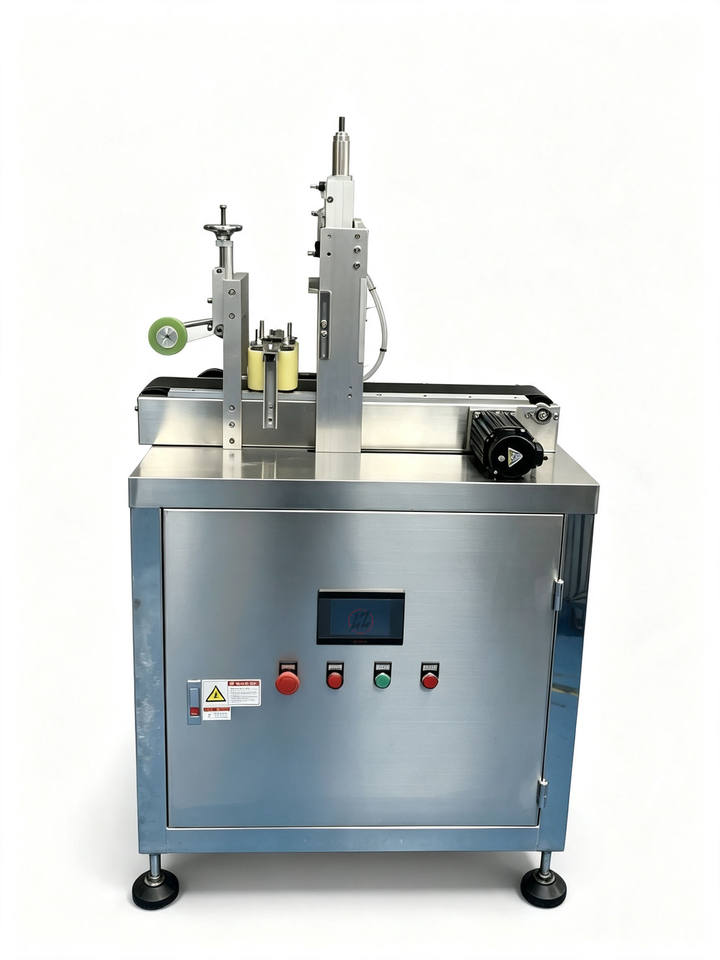
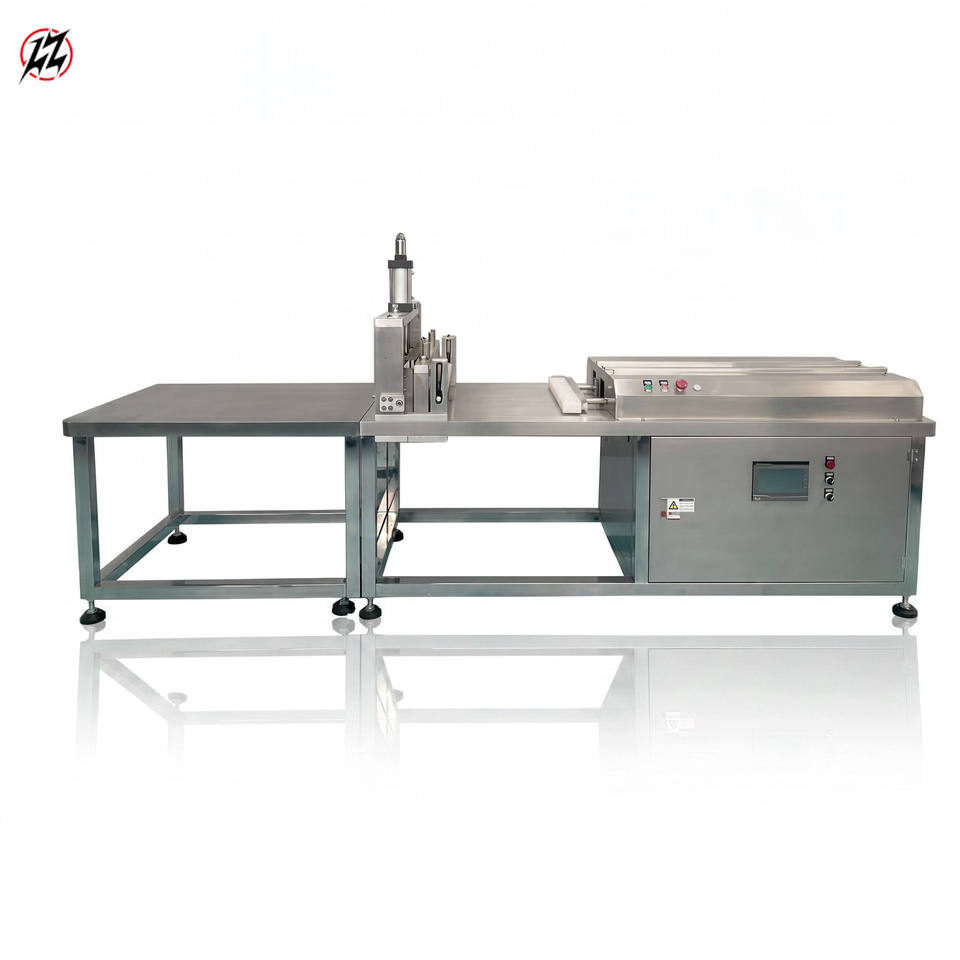
Servo control improves cut consistency when a workshop is ready for steadier production.
1,800 pcs/hView machine details ↗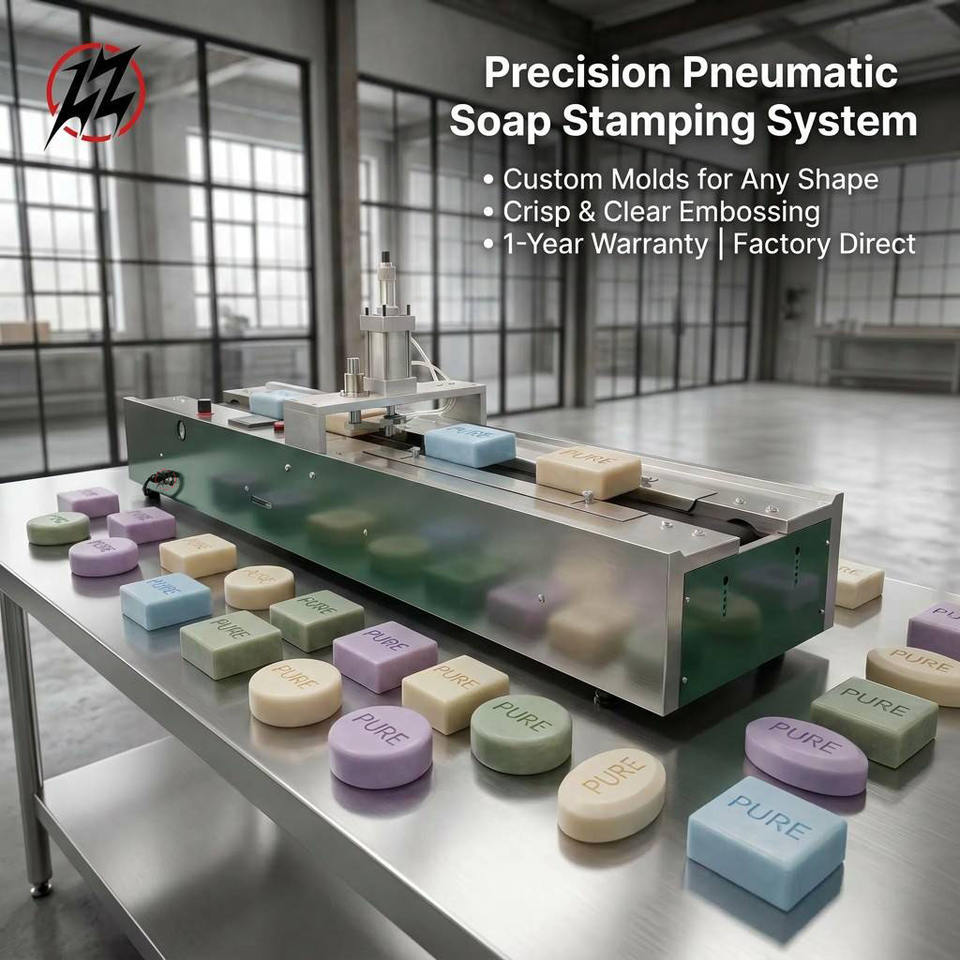
A conveyor-fed option for brands that need less handling between forming and stamping.
1,800 pcs/hView machine details ↗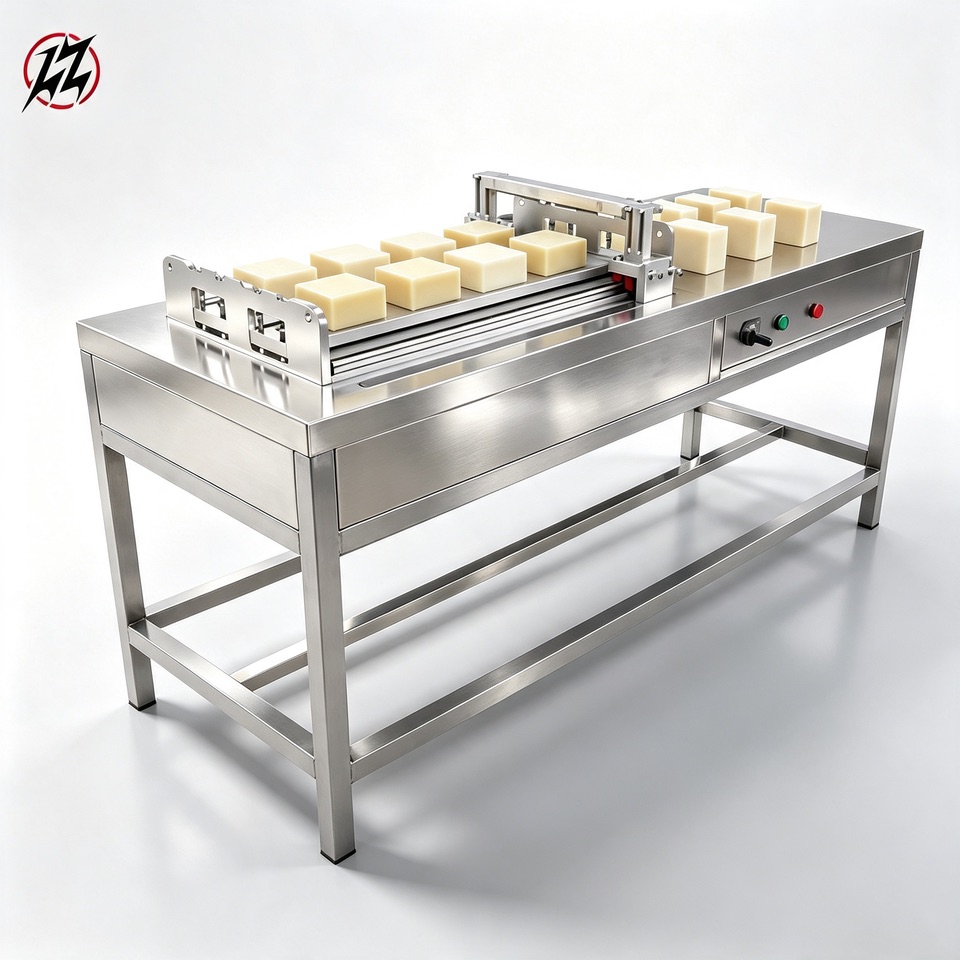
Plane the bar surface for a cleaner, more uniform retail appearance before wrapping.
300–600 pcs/hView machine details ↗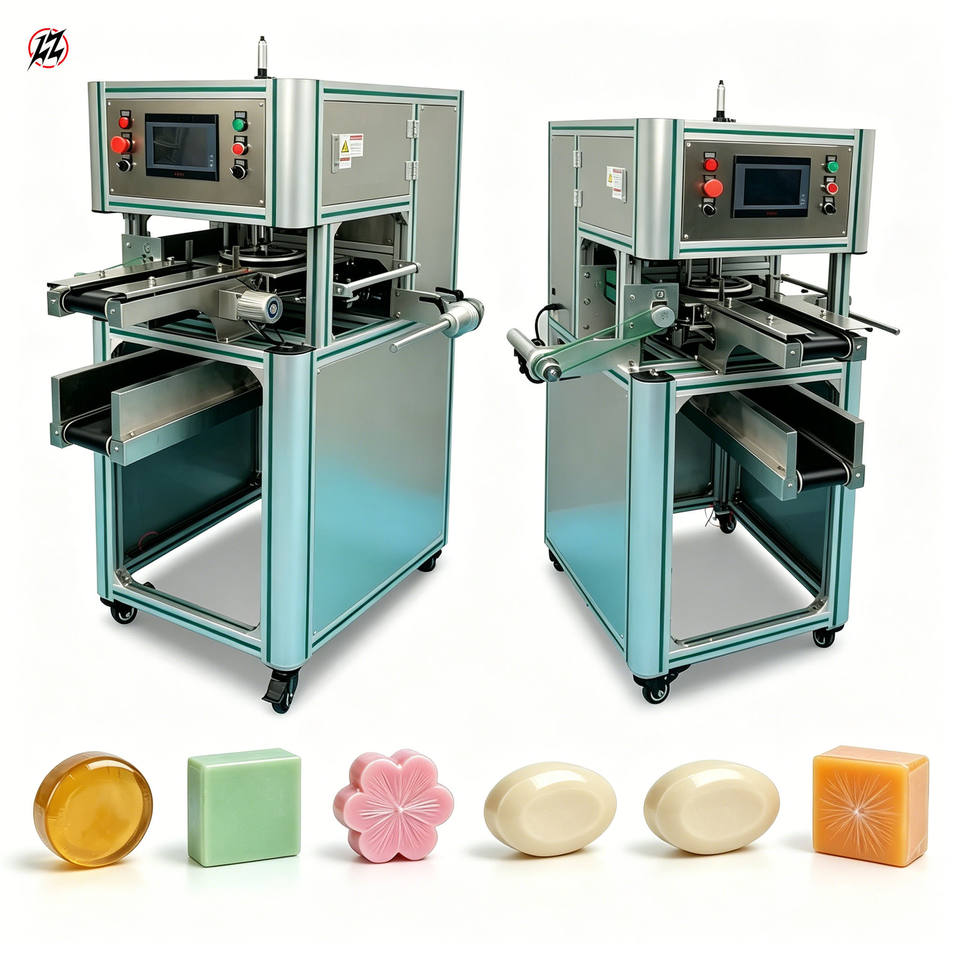
Automate individual bar wrapping with a configuration matched to product and film size.
1,000–1,200 pcs/hView machine details ↗The video is hosted on ZG SoapTech. Product-specific acceptance tests are agreed before order.
View machine details ↗Answers distinguish verified public information from items that require project confirmation.
A finishing line starts from soap noodles or another prepared soap base. A full plant starting from oils and fats requires additional upstream processing that must be defined separately.
Not necessarily. Noodle grade, formula additions and the target bar finish determine the refining requirement. Samples and trial results are more reliable than a universal number of passes.
Often yes within an agreed adjustment range, but different sizes or shapes can require guides, dies and mould sets. List every planned SKU before tooling is quoted.
We review material condition, dosing, refining, vacuum plodding, cooling, cutting and stamping together. The proposal identifies configuration actions, while final acceptance criteria are agreed against samples or drawings.
We will confirm whether the project needs only forming equipment or a connected refining, finishing and packaging line.
ZG SoapTech is the primary product and configuration source. The existing Alibaba supplier profile remains available for public company verification and optional platform-backed transactions after scope confirmation.
Verify Alibaba supplier profile ↗