Incoming billet
Provide billet profile, dimensions, temperature, hardness and exit speed at the proposed connection point.
 ZG SOAPTECHGuangzhou Zhigong Intelligent
Connect an existing plodder or incoming soap billet to repeatable cutting, transfer and custom-logo stamping, with compact and continuous options matched to product hardness and output.
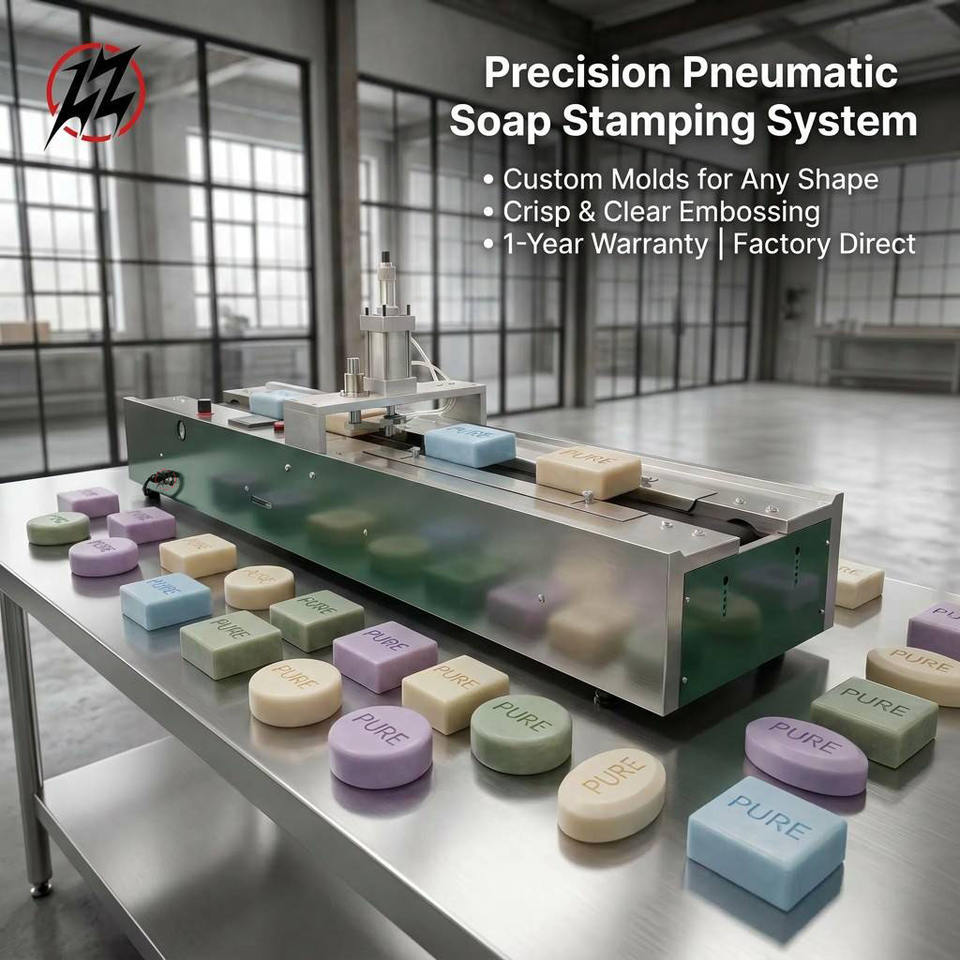
These inputs determine scope, interfaces and quotation accuracy.
Provide billet profile, dimensions, temperature, hardness and exit speed at the proposed connection point.
Share target weight, length, shape, logo artwork and allowable variation; a physical sample is preferred.
List every size and logo planned so guide adjustment, recipes, die sets and mould change requirements are visible.
Confirm infeed and discharge height, available space and whether trimming, inspection or wrapping follows the press.
Final capacity, footprint, utilities and price are confirmed after product review.
A lower-complexity cell for workshops with modest output and manual transfer between steps.
Use servo positioning and conveyor-fed embossing for more repeatable continuous output.
Add surface correction and packaging when the output must move through a connected downstream flow.
A fast cutter does not create a stable line if the billet varies or the downstream press cannot accept the same cycle. Interfaces and buffer points are reviewed together.
Guide the extruded soap billet from the existing plodder at an agreed height, speed and cross-section.
Set the cutting method around target bar length, material response and required repeatability.
Move each cut blank into the press while maintaining orientation and spacing.
Form the bar and logo with tooling designed from drawings, samples and soap release behaviour.
Route acceptable bars onward and define handling for flash, uneven surfaces or out-of-spec products.
Match discharge flow to manual packing or an automatic wrapper when included in the project.
Public machine pages provide media and verified model data; the connected line is quoted as a project.
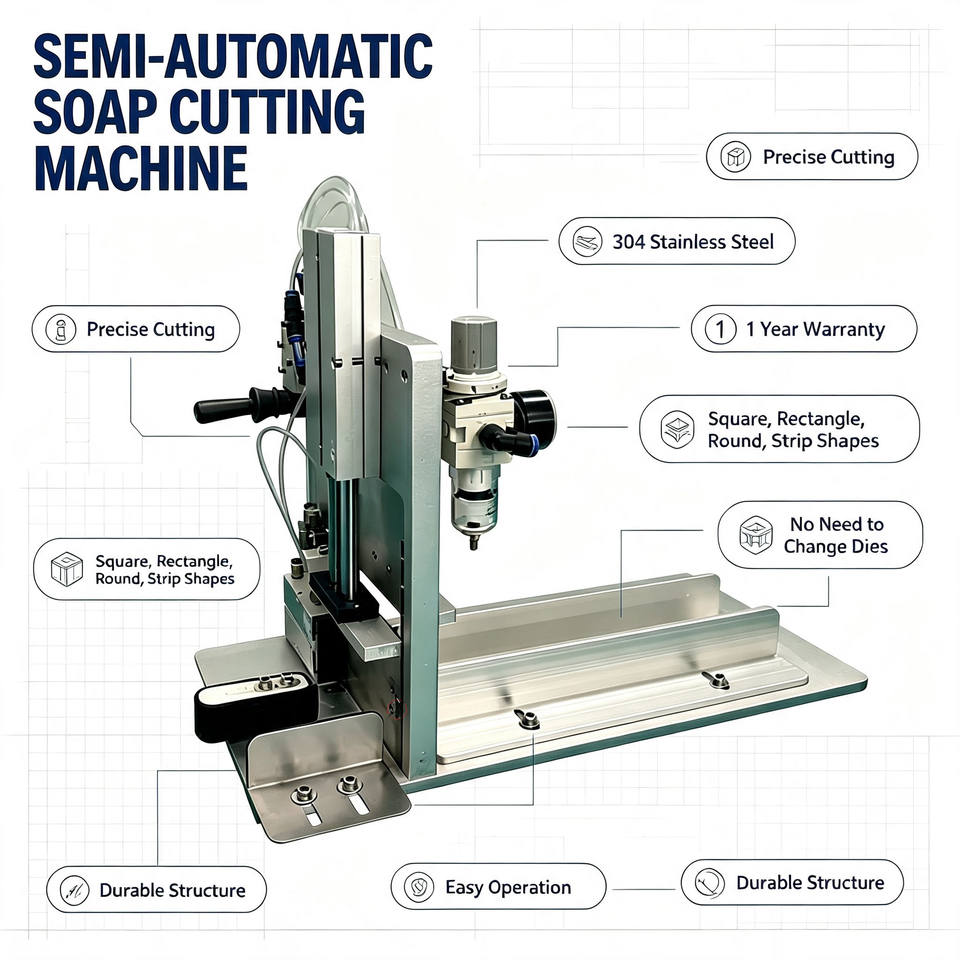
An accessible first step beyond hand cutting for small batches and frequent size changes.
1,800 pcs/hView machine details ↗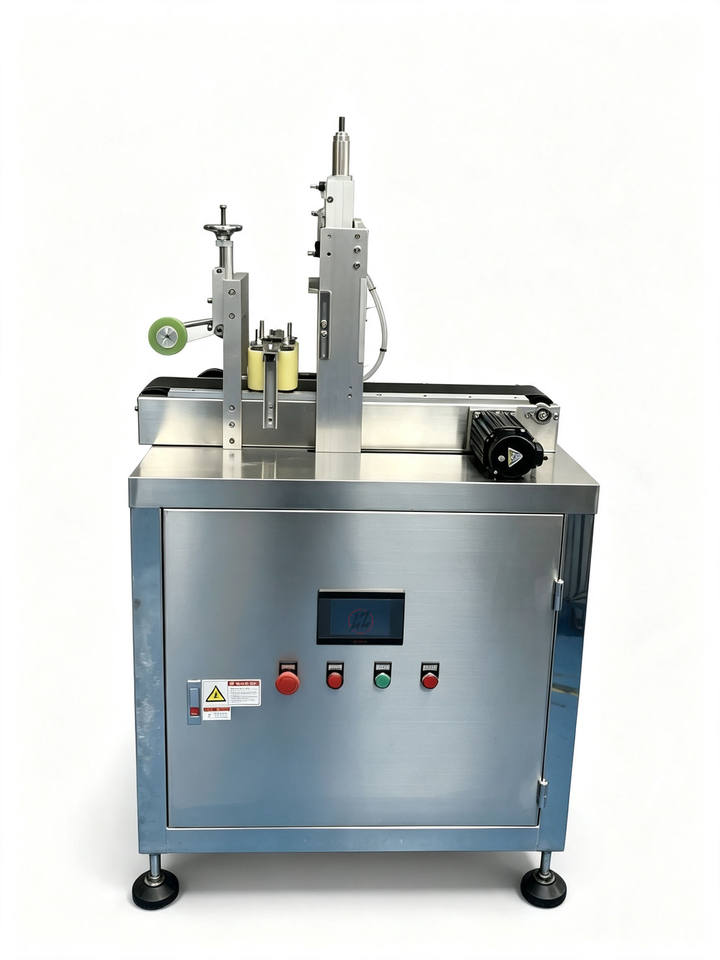
Servo control improves cut consistency when a workshop is ready for steadier production.
1,800 pcs/hView machine details ↗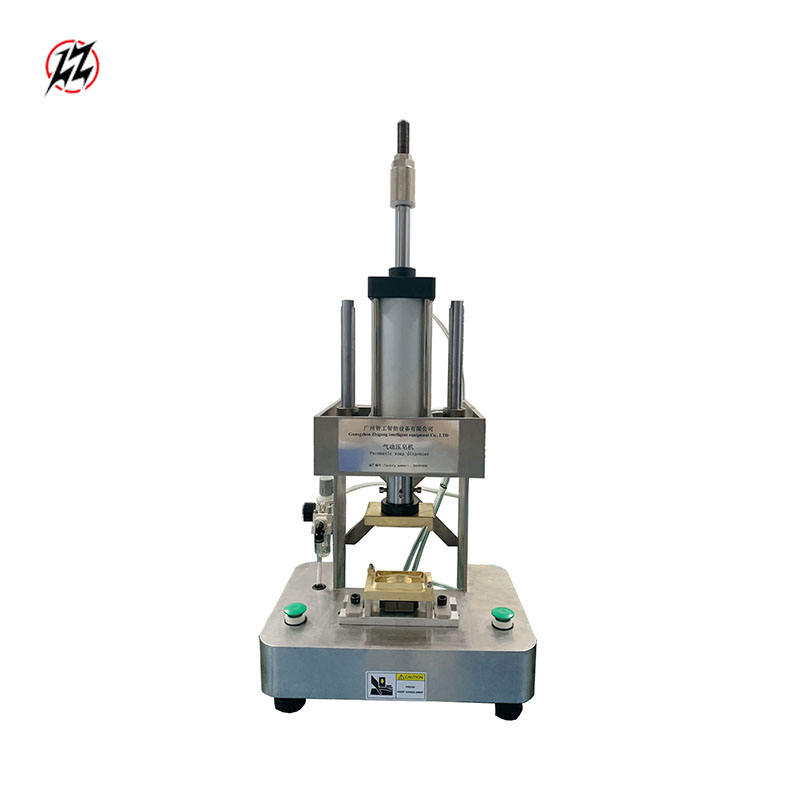
A compact press for improving logo definition and bar shape without a full production line.
600–700 pcs/hView machine details ↗A conveyor-fed option for brands that need less handling between forming and stamping.
1,800 pcs/hView machine details ↗The video is hosted on ZG SoapTech. Product-specific acceptance tests are agreed before order.
View machine details ↗Answers distinguish verified public information from items that require project confirmation.
It can be evaluated for integration after billet size, discharge height, speed, power, layout and product behaviour are provided. Interface changes are documented in the proposal.
Provide vector artwork, bar dimensions, desired relief, edge shape and a product sample when possible. Tooling design and release behaviour are confirmed before manufacture.
Changes within a defined range may use adjustments or recipes. Different profiles and logos commonly require dedicated guides, dies or mould sets.
Typical points include product dimensions, visible forming result, cycle stability, guards, controls and agreed run conditions. The exact sample, duration and acceptance limits belong in the commercial scope.
Send both ends of the process plus the current line layout. We will review whether a compact cell or connected automatic line is appropriate.
ZG SoapTech is the primary product and configuration source. The existing Alibaba supplier profile remains available for public company verification and optional platform-backed transactions after scope confirmation.
Verify Alibaba supplier profile ↗